The Sentinel Series · Book Three
She has real evidence.
There is no way to prove it.
The system was designed that way.
Book One
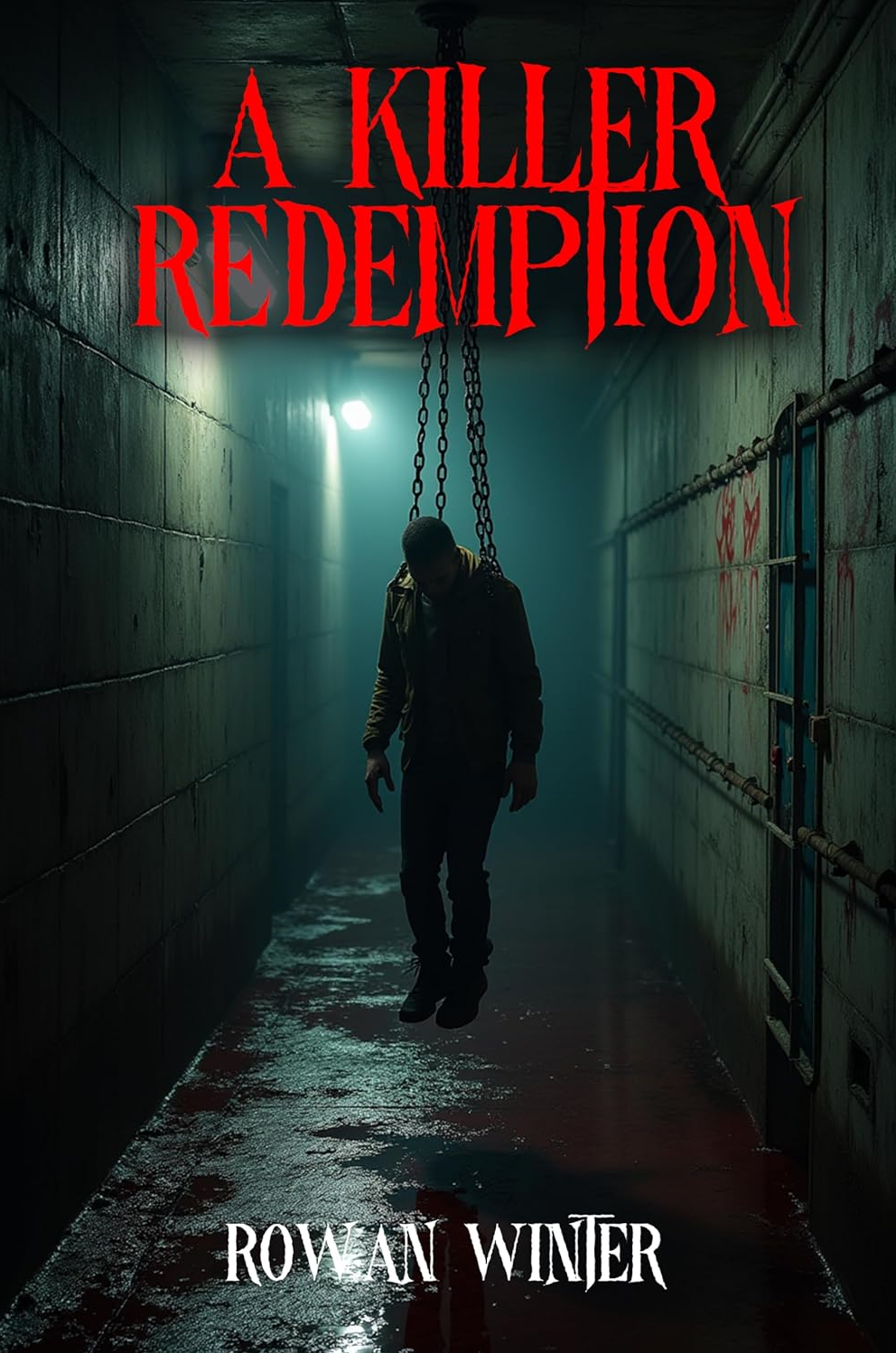
A Killer's Redemption
Available
Book Two
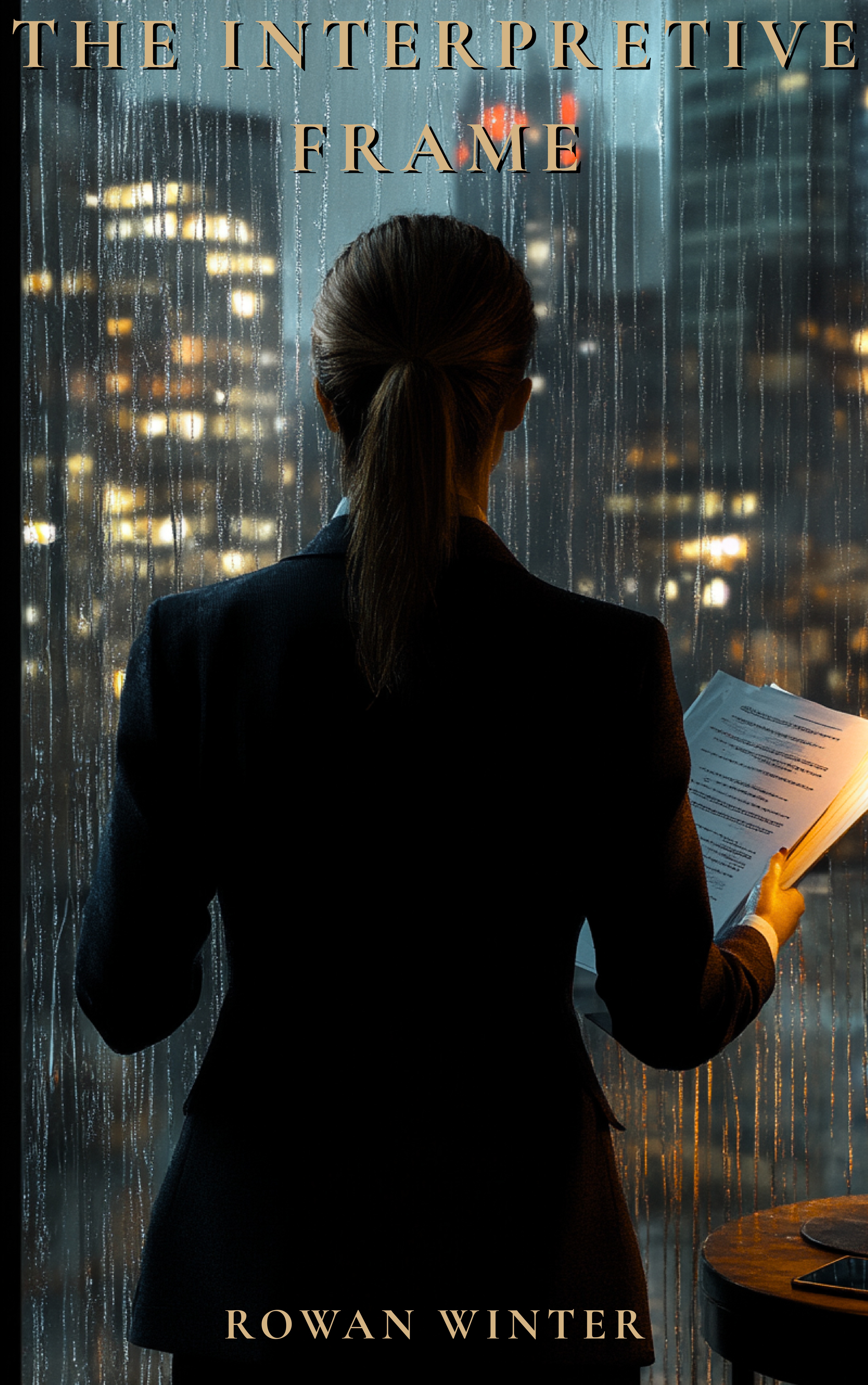
The Interpretive Frame
Available
Book Three
The Liar's Dividend
AvailableThe Story
REAL EVIDENCE. NO WAY TO PROVE IT. THE SYSTEM WAS DESIGNED THAT WAY.
In the aftermath of the Ashford case, the structures built to protect truth have been quietly turned against it.
Cassandra has spent months watching a new kind of attack assemble itself inside the very oversight framework created to prevent one. She has the documentation. She has the pattern. She has the dates, the sequence, the architecture of what was done and how. The evidence is real. The record is complete.
And none of it can be submitted anywhere.
Because the Liar's Dividend has taken hold. In a world saturated with deepfakes and fabricated analysis, real evidence that cannot be independently replicated is indistinguishable — to every available instrument, every review body, every legitimate channel — from something generated. The attack didn't just use this condition. It was built around it. The system designed to protect the truth has been optimized, from the inside, to render her evidence invisible.
Then she walks into a conference room and sees Victor Strand — Director of the Sovereign Information Integrity Office, the man the system appointed to protect the truth — and in four minutes of watching him speak she knows something else entirely.
Not from evidence. From the read.
The same instinct that has never been wrong.
Strand is the architecture. He built the system that makes her evidence untouchable. And he is protected by every legitimate mechanism that exists — because he built those too.
Cassandra has two choices: wait for a proof the system has been designed to prevent her from producing, or act on what she already knows.
She has always known which one she would choose.
The question is what it will cost — and whether cracking the frame open is worth confirming everything the frame has already been saying about her.
What to Expect
A Villain Who Built the Rules
Strand is not hiding in the shadows. He is sitting at the head of the table, running the system designed to catch people like him. The horror of the book is institutional, not physical — and it is entirely recognizable.
The Problem of Proof
This is not a thriller where the protagonist can't find the evidence. She has the evidence. The problem is that in a world where everything can be fabricated, real evidence that cannot be replicated is indistinguishable from a fake. The Liar's Dividend isn't a plot device — it's the condition of the story.
Cassandra Returning
Book Three brings the series' protagonist back into the kind of crisis that made the first two books work: a situation where the rules say one thing and the read says another, and the cost of following the read may be everything she has left to lose.
Eleanor
The academic who has spent two years building a framework to protect interpretive space — and who discovers, three hours into reading the SIIO's technical appendix, that someone else has already built it. She is not a witness to the story. She is part of the machinery it runs on.
The Slow Build
This is a thriller that builds through accumulation — documentation, pattern, weight. The tension does not come from action but from the growing certainty that the protagonist cannot use what she knows through any legitimate channel. That certainty, once established, is nearly unbearable.
The People Inside the Story
Protagonist
Cassandra
She reads things the way most people do not: pattern before content, structure before argument, looking for what a document is doing rather than what it says it is doing. She has been watching Victor Strand's architecture assemble itself for eleven months and has written all of it down. The analysis is complete. The read confirmed it before the analysis did. She has never found a way to use what the read tells her without cost.
Antagonist
Victor Strand
Director of the Sovereign Information Integrity Office — the post-Ashford body created to protect the truth. Patient, credentialed, operating entirely within the system's own rules. He did not infiltrate the oversight structure. He designed it. His protection is not personal. It is architectural. Cassandra cannot touch him through any legitimate channel because he built what "legitimate" means in this context.
The Academic
Eleanor
A researcher who has spent two years building a theoretical framework for protecting interpretive space — how institutions could be designed to preserve the gap between information and meaning. She has written papers, testified, sat in rooms explaining why it matters. Three hours into reading the SIIO's technical appendix, she discovers that someone has already built a version of what she has been describing. The version they built does not do what she intended.
The Returning Thread
Cavendish
His formulation — the one Eleanor built her work from — runs underneath the architecture of the entire book. He is not at the center of the story. He is the origin point of the thinking that either saves it or cannot. What he understood about institutional design, and what he was wrong about, matters more in Book Three than it did in the books where he appeared.
Free Sample
Free First Chapter
The annual report of the Sovereign Information Integrity Office ran to two hundred and fourteen pages, not counting appendices. It arrived on a Thursday morning in its authenticated format—timestamped, digitally signed, routed through the appropriate verification channels with the procedural care that had become, since the commission's findings, the baseline expectation for documents of institutional significance. She set her coffee aside and began reading.
She read it the way she read everything that required precision: pattern before content, structure before argument. She was looking for what the report was doing—not what it said it was doing—and the difference between those two things had been, for the better part of a year, the only thing she consistently found worth noting.
By page thirty-one she had found what she expected. By page eighty-seven she had confirmed it. By page one hundred and sixty she had stopped writing marginal notes and started writing in the ledger, which was the difference between reading and documenting, and the difference between documenting and intending to use it.
The characterization was accurate in every technical respect. The documents had moved through the appropriate channels. The timing had allowed the relevant oversight bodies to review the content. The routing had functioned as the new protocols specified. Nothing in the report's description was false.
What the characterization did not note—what it could not note, because there was no instrument in the oversight structure's methodology for measuring this—was that the sequence had been curated. Not arranged chronologically. Not arranged by source. Arranged by interpretive readiness: each cluster released when the preceding cluster had established a context that would shape how the current cluster appeared to the bodies reviewing it.
The first cluster had established a premise. The second had offered confirmation. The third had introduced complexity the established premise organized. The subsequent clusters had elaborated and deepened. The final cluster had produced the conclusion the sequence had been building toward—discovered, as far as the reviewing bodies were concerned, rather than delivered. The whole structure had operated exactly as the Ashford release had operated: not through the old channels but through the new ones, using the oversight structure's own transparency mechanism as its instrument.
She had been watching it for eleven months. She had written it down. The notation was in the ledger, dated, specific, marked for her own records. The report cited it as evidence of the system working.
Two things were happening in her simultaneously, and she had learned to let both of them run rather than resolving them prematurely into one.
One thing said: the analysis is complete; the documentation is in order; the evidence is what it is; what happens next requires the analytical mind to identify a legitimate channel through which the evidence can be received and acted upon.
The other thing said: you knew before the recording and before the protocol architecture and before footnote seventeen. You knew on the pavement outside the conference building, in the eleven minutes before you stood and left. The analysis has been confirming the knowing, entry by entry, for three weeks. You have been holding the conclusion open because the discipline required it. The discipline required it until the point where holding it open stopped serving the work and started serving the avoidance. You are approaching that point.
She heard both of these clearly. She had spent enough time in this specific internal state to know what it sounded like and what it required of her. It required that she not resolve it by choosing the more comfortable position. The analytical mind was more comfortable for her—had always been more comfortable, because the analytical mind was the part of her that knew how to work, that had a methodology, that understood the difference between what it knew and what it could prove. The other thing was less comfortable and more reliable, and the combination of those two properties was what made it dangerous to trust too quickly and dangerous to distrust too long.
She held both of these. She did not resolve either.
She had found the architecture. She had found neither proof nor a process currently capable of receiving what she had found. The knowing from the previous evening sat in the same room as the analysis without contaminating it. She was holding them separately. She had written four entries in the ledger today, each one precise, each one marked for what it was. No conclusions. Each entry carrying only what it could carry.
She understood that the ledger was getting heavier faster than it had before.
She opened the ledger and added the day's entries. Then she closed it and picked up her phone because it had begun to ring.

The Author
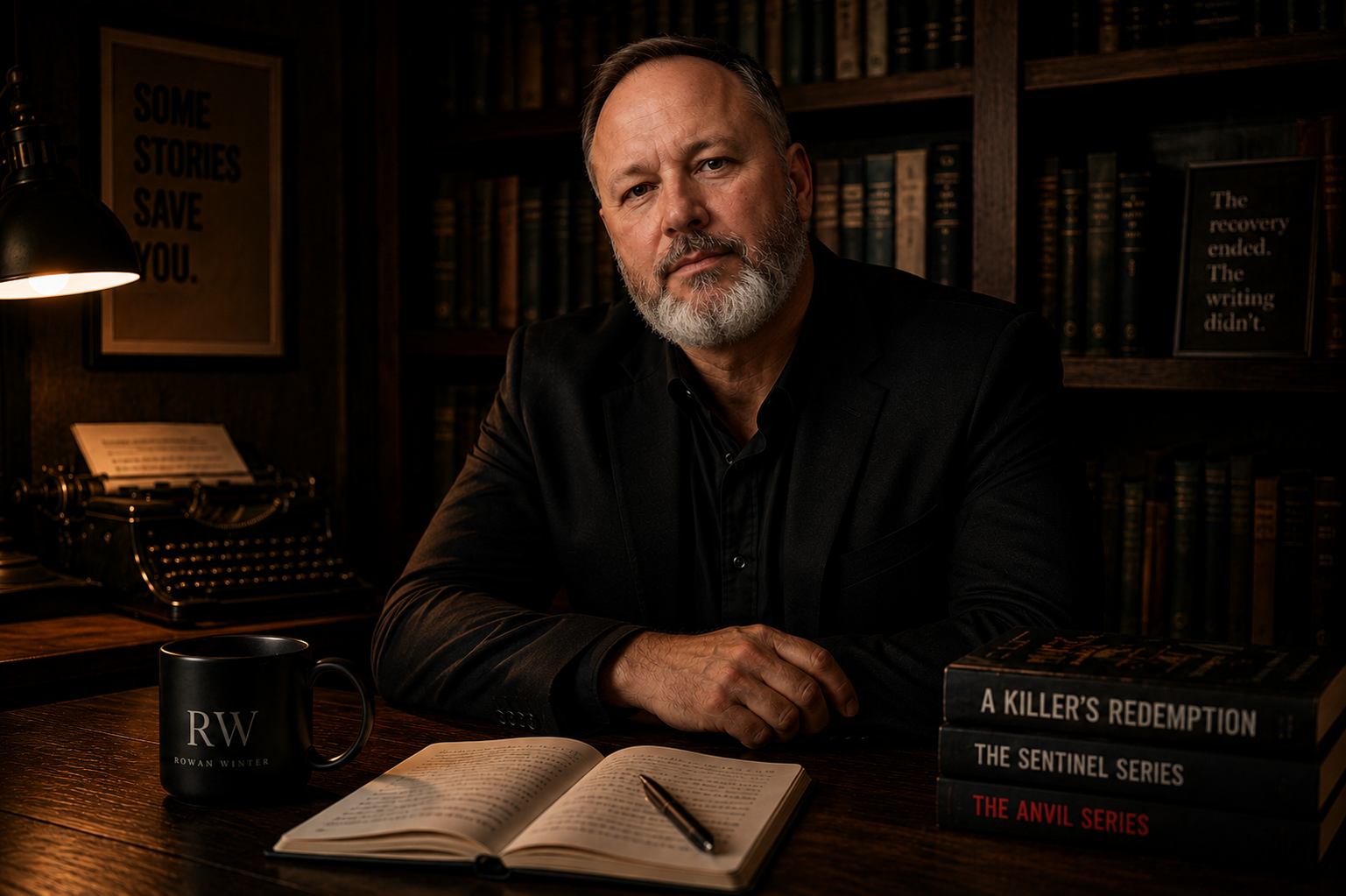
Rowan Winter writes psychological thrillers and dark suspense built on lived experience. The Sentinel Series draws from decades of real law enforcement stories — told by a career officer who lived them. Every book in the series is built around that precision, that authenticity, and the questions that authenticity raises.
The Liar's Dividend is Book Three, and the conclusion to the Sentinel Series. It continues Cassandra's story and asks the hardest question the series has posed so far: what do you do when you cannot use the truth through any legitimate channel?
Read the Full StoryRead the Complete Series
A Killer's Redemption is where it all begins. Read it first.